
Dutch Culture Explained: Traditions, Customs and Everyday Life
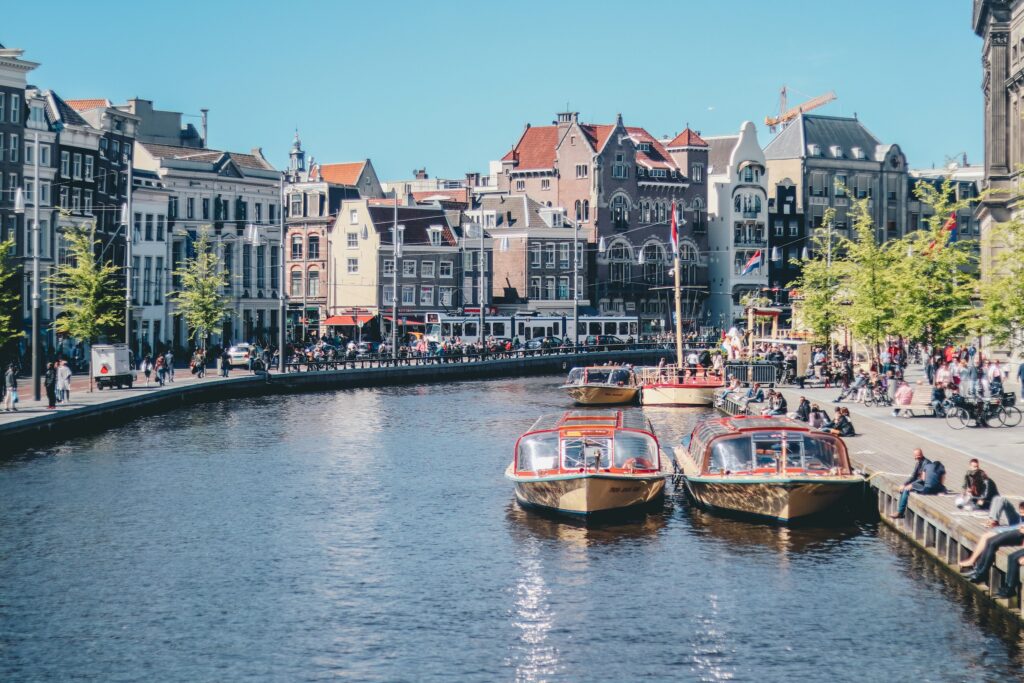
Dutch Culture Explained: Traditions, Customs and Everyday Life The Netherlands is widely recognized for its canals, bicycles, windmills, tulips, and historic cities. Yet understanding the country involves much more than seeing its famous landmarks. Dutch culture has been shaped by centuries of history, regional traditions, relationships with water, trade, art, food, and everyday community life. For travelers, learning about local customs can add valuable context to a journey. From cycling culture and traditional celebrations to markets and café terraces, here are some aspects of Dutch life worth discovering while exploring the Netherlands. 1. Cycling Is Part of Everyday Life One of the first things many visitors notice in Dutch cities is the number of bicycles. Cycling is not simply a recreational activity. For many people, it is a practical way to travel to work, school, shops, social activities, and transport connections. Visitors should pay attention to designated cycle paths and avoid standing or walking in them. Dutch cyclists often use these routes as part of their everyday commute, so remaining aware of your surroundings helps everyone move safely. Renting a bicycle can also provide travelers with another way to experience Dutch cities and countryside areas. 2. The Netherlands and Its Relationship With Water Water has played an important role in shaping the Netherlands. Canals, dikes, waterways, polders, bridges, and other water-management infrastructure are visible throughout the country. They are not simply attractive features of the landscape; they reflect a long relationship between Dutch communities and their environment. Travelers can see this history in many forms, from Amsterdam’s canals to rural landscapes and historic windmills. Exploring these places can provide a better understanding of why water management is such an important part of the Dutch landscape and national story. 3. King’s Day King’s Day is one of the Netherlands’ most recognizable national celebrations. Cities and towns become lively gathering places, and orange is prominently worn and displayed throughout the country. Street activities, markets, music, and celebrations create a distinctive atmosphere. For visitors, King’s Day can be an exciting opportunity to experience a major Dutch tradition. However, popular locations can become extremely busy, so travelers should plan transportation and accommodation carefully and check current local information before attending. 4. Sinterklaas Traditions The Sinterklaas period is another well-known part of the Dutch festive calendar. Traditionally associated with the weeks leading into December, the celebration includes seasonal customs, gifts, sweets, and family activities. Visitors traveling during this period may notice decorations, seasonal products, events, and references to Sinterklaas throughout towns and cities. As with many long-standing traditions, the way celebrations are presented can evolve over time. Travelers interested in cultural customs can benefit from learning about both their historical background and their contemporary forms. 5. Dutch Markets Markets remain an enjoyable part of local life in many Dutch communities. Depending on the location and day, visitors may find stalls selling food, flowers, produce, clothing, household items, and regional products. A local market can offer a different experience from visiting major tourist attractions. It gives travelers an opportunity to observe everyday activity and discover products associated with the region. Before planning your visit around a particular market, check its current schedule because operating days and hours can vary. 6. Café and Terrace Culture When the weather allows, terraces become popular gathering places throughout Dutch cities and towns. Visitors will often see people meeting for coffee, drinks, lunch, or simply spending time outdoors. Sitting at a local café can provide a welcome pause between sightseeing activities. Rather than treating every hour as an opportunity to visit another attraction, spending time observing the surroundings can become part of the travel experience itself. This slower approach is especially enjoyable in historic squares, canal areas, and smaller towns. 7. Traditional Dutch Foods Food provides another accessible way to explore local culture. Travelers may encounter dishes and snacks such as stroopwafels, poffertjes, pancakes, fries, cheeses, and other regional specialties. Different cities and regions can have their own food traditions, so exploring beyond the most familiar products can make a journey more interesting. Markets, bakeries, cafés, restaurants, and local food businesses can all provide opportunities to discover Dutch flavors. Rather than trying everything at once, consider including food experiences naturally throughout your trip. 8. Dutch Cheese Traditions Dutch cheese is internationally recognized, with names such as Gouda and Edam known far beyond the Netherlands. For travelers, cheese can provide a connection between food, trade, agriculture, and regional identity. Visiting a cheese shop or market can offer an opportunity to learn more about different varieties and production traditions. Places associated with cheese history can also be incorporated into wider day trips, allowing visitors to combine culinary interests with architecture, local history, and sightseeing. 9. Windmills Beyond the Photograph Windmills are among the most recognizable symbols associated with the Netherlands. They are visually impressive, but understanding their historical purposes can make visiting them more meaningful. Different windmills were used for different tasks, including managing water and supporting industrial activities. When visiting a historic windmill landscape, take time to learn about the role these structures played rather than viewing them only as photography locations. This approach turns a familiar Dutch symbol into a window onto the country’s history and engineering. 10. Historic Canals and Trading Cities The waterways found throughout Dutch cities are closely connected with the country’s commercial and urban history. Cities including Amsterdam, Leiden, Delft, Utrecht, and others developed around networks of waterways that supported transportation, trade, and daily life. Walking alongside canals today can therefore be more than a scenic activity. Historic warehouses, bridges, merchant houses, and street layouts can reveal clues about how these cities developed. Travelers interested in history may find that a guided walking or cultural tour provides useful context that would otherwise be easy to miss. 11. Local and Regional Differences It is easy for first-time visitors to think of the Netherlands as culturally uniform because the country is relatively compact. In reality, different regions have their own histories, landscapes, architecture, traditions, and local identities.