
The Netherlands Through the Seasons: When and Where to Visit
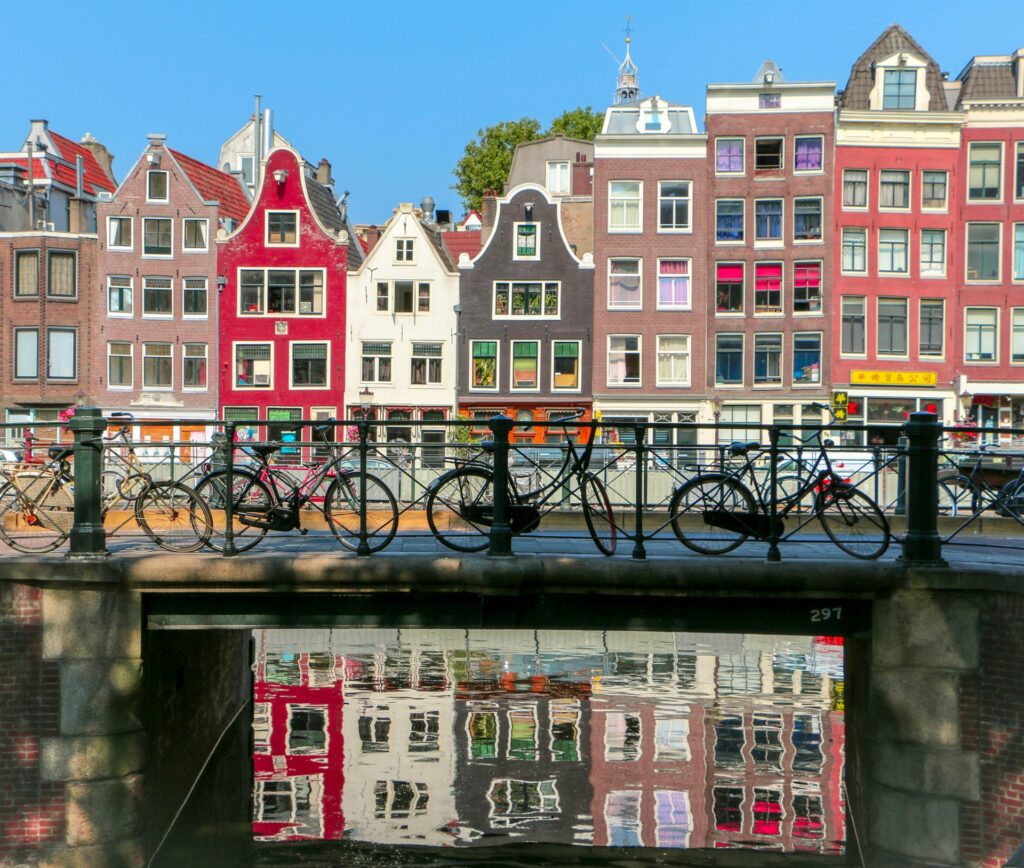
The Netherlands Through the Seasons: When and Where to Visit The Netherlands offers a different travel experience in every season. Spring brings flowers and fresh landscapes, summer encourages outdoor exploration, autumn transforms parks and countryside areas, while winter introduces festive traditions and atmospheric city streets. For travelers planning a Polderpass journey, the best time to visit depends less on finding one “perfect” month and more on deciding what kind of experience you want. Cultural trips, city breaks, countryside adventures, festivals, and local experiences can all feel very different depending on the season. Here is a season-by-season look at ways to experience the Netherlands throughout the year. Spring: Flowers, Fresh Landscapes and Outdoor Exploration Spring is one of the most recognizable seasons for travel in the Netherlands. As temperatures begin to rise and the landscape becomes greener, travelers have more opportunities to combine city sightseeing with outdoor activities. The season is particularly associated with flowers. Tulips have become an international symbol of the Netherlands, and flower-related destinations attract visitors from around the world. Rather than focusing only on photographs, consider learning more about the horticultural traditions and landscapes connected with Dutch flower culture. Explore the Countryside in Spring Spring can be an enjoyable time to travel beyond major cities. Dutch countryside areas begin to feel more colorful and active, while longer daylight hours can make walking and cycling easier to incorporate into an itinerary. Small towns and villages can also be combined with outdoor experiences. A spring itinerary might include a historic city one day and a countryside or village excursion the next, creating a useful balance between culture and nature. King’s Day and Spring Celebrations King’s Day is one of the best-known annual celebrations in the Netherlands. The event brings public celebrations, street activities, music, markets, and large numbers of people into towns and cities. Orange becomes particularly visible as people dress in the national color for the occasion. For visitors, it can provide a memorable opportunity to experience a major Dutch celebration. However, large events require planning. Transportation may be busier than usual, popular areas can become crowded, and accommodation demand can increase. Travelers should check current official event and transport information when planning around King’s Day or any major festival. Summer: Cities, Coastlines and Long Days Summer provides plenty of opportunities for exploring the Netherlands outdoors. Longer days allow travelers to combine several types of activities without feeling rushed. A morning museum visit might be followed by an afternoon cycling route, canal experience, or waterfront walk. Café terraces and public spaces also become an important part of city life during pleasant weather. Instead of scheduling every hour, leave some time to simply enjoy the atmosphere. Discover the Dutch Coast The Netherlands has much more than canals and historic city centers. Its coastline provides opportunities for beach visits, walking, cycling, and relaxed day trips. Travelers staying in cities can consider adding a coastal destination to create contrast within their itinerary. A beach or dune landscape can feel remarkably different from Amsterdam, Rotterdam, Utrecht, or another urban base. Visit the Wadden Islands Summer can also encourage travelers to explore the Dutch Wadden Islands. The islands offer beaches, dunes, cycling routes, smaller communities, and open landscapes. They work particularly well for visitors who want to spend more time outdoors and experience a slower pace of travel. Because island travel requires additional transportation, plan connections and accommodation carefully. Summer Festivals and Events Summer is also a popular period for cultural events, concerts, festivals, markets, and outdoor activities. The exact event calendar changes from year to year. Rather than building a trip around outdated information, check official destination and event websites before traveling. If a festival interests you, confirm its dates, ticket requirements, location, transportation arrangements, and any visitor restrictions. Autumn: Culture, Cities and Slower Travel Autumn can offer a different atmosphere from the busy summer months. Parks, forests, canals, and countryside areas begin to change color, creating attractive conditions for walking and photography. It is also an excellent season for cultural travel. Museums, historic buildings, cafés, and indoor attractions can be combined with outdoor sightseeing depending on the weather. Explore Historic Dutch Towns Autumn suits destinations where the experience is built around walking, architecture, history, and local culture. Cities and towns such as Delft, Leiden, Haarlem, Amersfoort, and other historic destinations can be explored without needing an itinerary dominated by outdoor summer activities. Smaller towns can be especially enjoyable when you allow time for cafés, local shops, museums, and relaxed walks. Experience the Countryside Dutch landscapes do not stop being interesting when summer ends. Autumn can create a quieter atmosphere for countryside exploration. Cycling or walking routes can provide a way to experience seasonal landscapes, although travelers should always check weather conditions and daylight hours before setting out. Appropriate clothing becomes increasingly important as conditions become cooler and less predictable. Winter: Festive Streets and Cultural Experiences Winter changes the rhythm of travel in the Netherlands. Days are shorter and temperatures are lower, but cities can become atmospheric during the festive period. Historic streets, canals, shops, cafés, seasonal decorations, and cultural attractions make winter particularly suitable for travelers interested in city breaks. Rather than planning an itinerary heavily dependent on outdoor activities, combine shorter walks with museums, historic attractions, cafés, and other indoor experiences. Discover Dutch Festive Traditions The winter period introduces visitors to seasonal customs and celebrations. Sinterklaas traditions are particularly associated with the weeks leading into December, while Christmas and New Year bring their own events and activities. Seasonal foods, decorations, markets, and local celebrations can add cultural context to a winter journey. Traditions and event programs can change, so travelers should check current local information before attending specific activities. Winter City Breaks Cities such as Amsterdam, Utrecht, Rotterdam, The Hague, Maastricht, and others can provide plenty to experience during a winter weekend. Museums and cultural attractions become particularly useful when the weather is less suitable for long outdoor excursions. A good winter itinerary should remain flexible. Instead of scheduling
The Perfect Weekend in the Netherlands: A 2-Day Travel Itinerary

The Perfect Weekend in the Netherlands: A 2-Day Travel Itinerary The Netherlands is well suited to a short getaway. Its compact geography makes it possible to combine historic cities, canals, cultural attractions, local food, and quieter surroundings without trying to cover enormous distances. A weekend trip can introduce you to several sides of Dutch life, but the best itineraries leave enough time to actually experience each destination. Instead of rushing between as many attractions as possible, focus on a few carefully chosen places and enjoy them at a comfortable pace. This two-day itinerary provides inspiration for travelers who want to combine Amsterdam with destinations beyond the capital. Day 1: Start Your Weekend in Amsterdam Amsterdam is a natural starting point for many international visitors. Its historic center, canals, museums, neighborhoods, and transport connections make it an excellent introduction to the Netherlands. Rather than trying to see the entire city in a morning, choose a few experiences that match your interests. Morning: Explore the Canal District Begin your day by walking through Amsterdam’s historic canal areas. The city’s waterways, bridges, narrow streets, and traditional canal houses create one of the Netherlands’ most recognizable urban landscapes. Walking allows you to notice details that can easily be missed when traveling quickly between major attractions. Take time to explore smaller streets, observe the architecture, and enjoy the changing views along the canals. A canal cruise can also provide another perspective on the city if you prefer to experience Amsterdam from the water. Visit a Museum or Cultural Attraction Amsterdam has numerous museums and cultural institutions, so it is better to select one that genuinely interests you than to attempt several in quick succession. Art lovers can focus on major collections, while travelers interested in Amsterdam’s history may prefer a museum or cultural attraction that explains the development of the city. Popular attractions can require advance planning, particularly during busy travel periods. Check current opening hours and ticket requirements before your visit. Lunch: Slow Down and Enjoy the City By midday, find somewhere to stop for lunch rather than treating food simply as a break between attractions. Amsterdam offers everything from cafés and bakeries to restaurants serving Dutch and international cuisine. A relaxed lunch gives you an opportunity to recharge before continuing your exploration. Afternoon: Discover Amsterdam Beyond the Main Sights After lunch, move away from the busiest sightseeing areas. Exploring different neighborhoods can reveal another side of the city, with local shops, cafés, residential streets, markets, and quieter canals. The goal does not have to be reaching another famous landmark. Sometimes walking without an intensive schedule provides a better sense of the city. If cycling interests you, remember that Amsterdam’s cycle network is used heavily by local commuters. Visitors should understand basic cycling rules and remain attentive to other road users. Evening: Experience Amsterdam at a Slower Pace As the afternoon turns into evening, return to the canals or find a neighborhood where you can have dinner. Amsterdam looks different after sunset, particularly around its waterways and historic streets. Rather than planning another long list of attractions, use the evening to enjoy the atmosphere and reflect on your first day. After dinner, return to your accommodation and prepare for an early start on day two. Day 2: Go Beyond Amsterdam Your second day is an opportunity to experience a different side of the Netherlands. The Polderpass concept specifically focuses on curated day trips, cultural tours, hidden-gem experiences, and local discoveries, so including a destination outside Amsterdam fits naturally into a broader Dutch journey. There are several ways to approach your second day. Option 1: Haarlem Haarlem is a convenient choice for travelers who want to experience another historic Dutch city. Its center offers traditional architecture, attractive streets, cultural attractions, cafés, shops, and public spaces. Begin with a relaxed walk through the historic center. Instead of following a strict route, allow time to explore smaller streets and architectural details. Haarlem works particularly well for a weekend because it provides a change of atmosphere without requiring the entire day to be spent traveling. Option 2: Delft Travelers interested in canals, historic architecture, and Dutch heritage can consider Delft. The compact historic center is well suited to walking. Visitors can explore waterways, squares, traditional buildings, and cultural attractions at a comfortable pace. Delft also offers a useful contrast with Amsterdam. While both cities have historic waterways, their scale and atmosphere can feel quite different. Spend the morning exploring before stopping for lunch in the center. Option 3: A Hidden-Gem Experience If you have already visited several major Dutch cities, use your second day to discover somewhere less familiar. Smaller historic towns and villages can provide a slower and more locally focused experience. Depending on your transportation arrangements and interests, you might choose a fortified town, countryside destination, traditional village, or waterside community. This type of excursion works particularly well for travelers who want their weekend to include both famous attractions and lesser-known places. Afternoon: Make Time for Local Culture Wherever you spend your second day, avoid filling every hour with scheduled activities. Leave room for a local market, café, museum, historic street, waterfront walk, or cultural experience. Travel is often more memorable when there is enough time to notice a destination rather than simply photograph it. If you visit a smaller community, remember that picturesque streets and traditional houses may also be people’s homes. Respect private property, follow local signs, and treat residential areas appropriately. Enjoy a Local Lunch Food can become part of the travel experience rather than simply a necessity. Depending on your destination, look for cafés, bakeries, markets, or restaurants where you can try Dutch or regional foods. The Netherlands has a variety of familiar specialties, but different destinations may also introduce you to local products and traditions. A relaxed lunch is particularly useful on a weekend itinerary because it prevents the day from becoming a continuous rush between attractions. Late Afternoon: One Final Walk Before returning to Amsterdam or continuing to your
Dutch Culture Explained: Traditions, Customs and Everyday Life
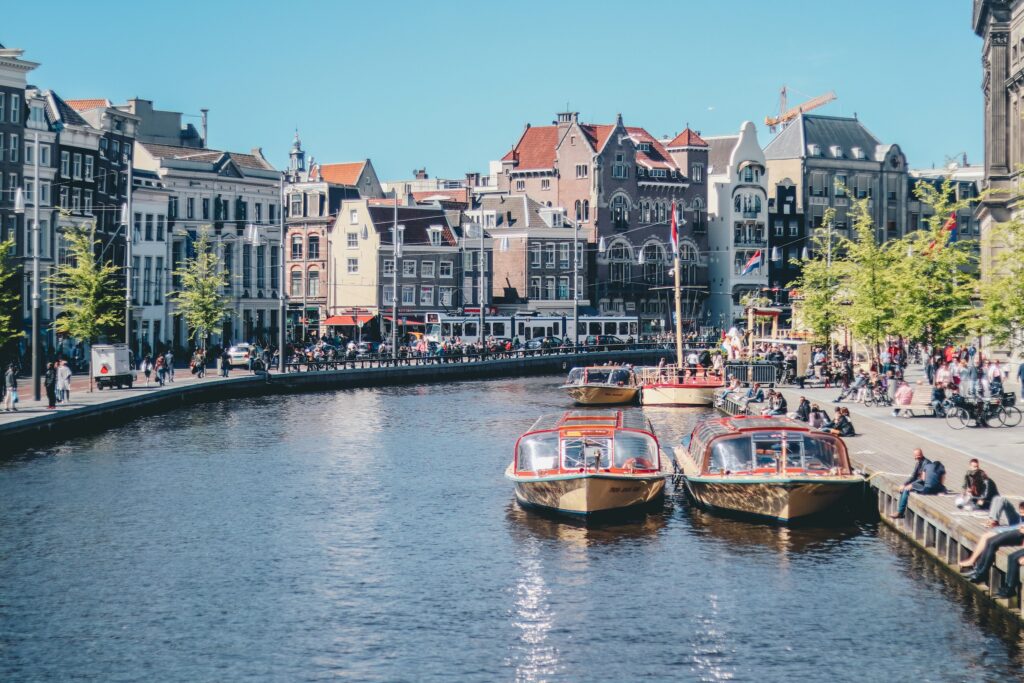
Dutch Culture Explained: Traditions, Customs and Everyday Life The Netherlands is widely recognized for its canals, bicycles, windmills, tulips, and historic cities. Yet understanding the country involves much more than seeing its famous landmarks. Dutch culture has been shaped by centuries of history, regional traditions, relationships with water, trade, art, food, and everyday community life. For travelers, learning about local customs can add valuable context to a journey. From cycling culture and traditional celebrations to markets and café terraces, here are some aspects of Dutch life worth discovering while exploring the Netherlands. 1. Cycling Is Part of Everyday Life One of the first things many visitors notice in Dutch cities is the number of bicycles. Cycling is not simply a recreational activity. For many people, it is a practical way to travel to work, school, shops, social activities, and transport connections. Visitors should pay attention to designated cycle paths and avoid standing or walking in them. Dutch cyclists often use these routes as part of their everyday commute, so remaining aware of your surroundings helps everyone move safely. Renting a bicycle can also provide travelers with another way to experience Dutch cities and countryside areas. 2. The Netherlands and Its Relationship With Water Water has played an important role in shaping the Netherlands. Canals, dikes, waterways, polders, bridges, and other water-management infrastructure are visible throughout the country. They are not simply attractive features of the landscape; they reflect a long relationship between Dutch communities and their environment. Travelers can see this history in many forms, from Amsterdam’s canals to rural landscapes and historic windmills. Exploring these places can provide a better understanding of why water management is such an important part of the Dutch landscape and national story. 3. King’s Day King’s Day is one of the Netherlands’ most recognizable national celebrations. Cities and towns become lively gathering places, and orange is prominently worn and displayed throughout the country. Street activities, markets, music, and celebrations create a distinctive atmosphere. For visitors, King’s Day can be an exciting opportunity to experience a major Dutch tradition. However, popular locations can become extremely busy, so travelers should plan transportation and accommodation carefully and check current local information before attending. 4. Sinterklaas Traditions The Sinterklaas period is another well-known part of the Dutch festive calendar. Traditionally associated with the weeks leading into December, the celebration includes seasonal customs, gifts, sweets, and family activities. Visitors traveling during this period may notice decorations, seasonal products, events, and references to Sinterklaas throughout towns and cities. As with many long-standing traditions, the way celebrations are presented can evolve over time. Travelers interested in cultural customs can benefit from learning about both their historical background and their contemporary forms. 5. Dutch Markets Markets remain an enjoyable part of local life in many Dutch communities. Depending on the location and day, visitors may find stalls selling food, flowers, produce, clothing, household items, and regional products. A local market can offer a different experience from visiting major tourist attractions. It gives travelers an opportunity to observe everyday activity and discover products associated with the region. Before planning your visit around a particular market, check its current schedule because operating days and hours can vary. 6. Café and Terrace Culture When the weather allows, terraces become popular gathering places throughout Dutch cities and towns. Visitors will often see people meeting for coffee, drinks, lunch, or simply spending time outdoors. Sitting at a local café can provide a welcome pause between sightseeing activities. Rather than treating every hour as an opportunity to visit another attraction, spending time observing the surroundings can become part of the travel experience itself. This slower approach is especially enjoyable in historic squares, canal areas, and smaller towns. 7. Traditional Dutch Foods Food provides another accessible way to explore local culture. Travelers may encounter dishes and snacks such as stroopwafels, poffertjes, pancakes, fries, cheeses, and other regional specialties. Different cities and regions can have their own food traditions, so exploring beyond the most familiar products can make a journey more interesting. Markets, bakeries, cafés, restaurants, and local food businesses can all provide opportunities to discover Dutch flavors. Rather than trying everything at once, consider including food experiences naturally throughout your trip. 8. Dutch Cheese Traditions Dutch cheese is internationally recognized, with names such as Gouda and Edam known far beyond the Netherlands. For travelers, cheese can provide a connection between food, trade, agriculture, and regional identity. Visiting a cheese shop or market can offer an opportunity to learn more about different varieties and production traditions. Places associated with cheese history can also be incorporated into wider day trips, allowing visitors to combine culinary interests with architecture, local history, and sightseeing. 9. Windmills Beyond the Photograph Windmills are among the most recognizable symbols associated with the Netherlands. They are visually impressive, but understanding their historical purposes can make visiting them more meaningful. Different windmills were used for different tasks, including managing water and supporting industrial activities. When visiting a historic windmill landscape, take time to learn about the role these structures played rather than viewing them only as photography locations. This approach turns a familiar Dutch symbol into a window onto the country’s history and engineering. 10. Historic Canals and Trading Cities The waterways found throughout Dutch cities are closely connected with the country’s commercial and urban history. Cities including Amsterdam, Leiden, Delft, Utrecht, and others developed around networks of waterways that supported transportation, trade, and daily life. Walking alongside canals today can therefore be more than a scenic activity. Historic warehouses, bridges, merchant houses, and street layouts can reveal clues about how these cities developed. Travelers interested in history may find that a guided walking or cultural tour provides useful context that would otherwise be easy to miss. 11. Local and Regional Differences It is easy for first-time visitors to think of the Netherlands as culturally uniform because the country is relatively compact. In reality, different regions have their own histories, landscapes, architecture, traditions, and local identities.
Beyond Amsterdam: Charming Dutch Towns You Should Visit
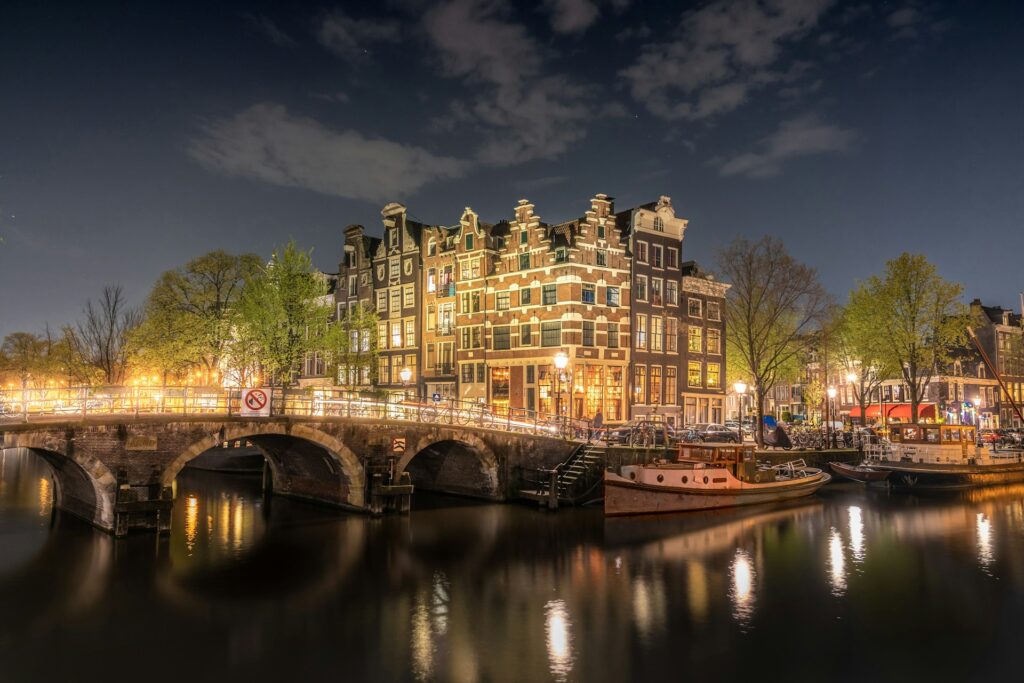
Beyond Amsterdam: Charming Dutch Towns You Should Visit Amsterdam is often the starting point for a journey through the Netherlands. Its canals, museums, historic architecture, and lively neighborhoods provide plenty to explore, but the capital represents only one part of the country. Travel beyond Amsterdam and you’ll find historic towns, medieval streets, waterfront communities, traditional architecture, and places where the pace of travel feels noticeably slower. Here are several charming Dutch destinations worth considering when you want to see more of the Netherlands. Haarlem Haarlem is an excellent destination for travelers who want historic Dutch architecture and city atmosphere without the scale of Amsterdam. The historic center offers attractive streets, squares, shops, cafés, and cultural attractions. Walking is one of the easiest ways to explore, allowing you to discover smaller streets alongside the main sights. Haarlem can work particularly well as a day trip, but spending longer gives you more time to experience the city beyond its central landmarks. Delft Delft combines canals, historic buildings, attractive public spaces, and a strong connection with Dutch history. Its compact center encourages visitors to explore on foot. Rather than moving quickly between landmarks, take time to walk along the canals and through the quieter streets surrounding the main squares. Delft can also be combined with other destinations in South Holland, making it a useful addition to a broader itinerary. Leiden Leiden is another attractive canal city with a rich historic character. Its streets, waterways, university heritage, museums, and traditional buildings create plenty of opportunities for exploration. Because much of the center can be experienced on foot, Leiden suits travelers who enjoy wandering through a destination rather than following a rigid sightseeing schedule. Stopping at a café or walking alongside the canals can be just as enjoyable as visiting individual attractions. Gouda The name Gouda is internationally associated with cheese, but the city itself offers considerably more. Its historic center includes traditional architecture, public squares, waterways, shops, and reminders of its commercial history. Visitors interested in Dutch food traditions may naturally be drawn to Gouda, but its streets and historic atmosphere make the city worth exploring beyond its famous culinary association. Amersfoort Amersfoort is sometimes overlooked when travelers plan a Netherlands itinerary. That makes it an interesting option for those looking beyond the country’s most heavily visited cities. The historic center includes medieval architecture, old gates, canals, squares, shops, and cafés. Its compact layout means visitors can explore at a comfortable pace without needing extensive transportation within the city. Amersfoort can also serve as a useful base or stop when exploring the central Netherlands. Hoorn Located in North Holland, Hoorn has a strong maritime character. Historic buildings and streets provide reminders of the town’s trading past, while its waterfront location creates a different atmosphere from inland destinations. A visit can combine walking through the historic center with time around the harbor. For travelers exploring North Holland, Hoorn provides another destination beyond the region’s better-known attractions. Deventer Deventer is one of the historic Hanseatic cities of the eastern Netherlands. Its streets, squares, traditional architecture, and position along the IJssel River contribute to its distinctive character. Exploring Deventer also provides an opportunity to experience the eastern part of the country, which receives less attention in many first-time Netherlands itineraries. Rather than treating the Netherlands as a journey centered entirely around the western cities, adding Deventer can create a more geographically varied trip. Middelburg Middelburg provides travelers with an opportunity to experience the province of Zeeland. The historic center contains impressive architecture, streets, squares, and waterways that reflect the city’s long history. Its location means it requires more travel from Amsterdam than places such as Haarlem or Leiden, making it particularly suitable for a longer itinerary or weekend journey. Exploring Zeeland can also introduce visitors to landscapes and communities that differ from those found around Amsterdam. Maastricht In the southern Netherlands, Maastricht has a distinctive atmosphere influenced by its location and history. Historic streets, squares, architecture, cafés, and cultural attractions make the city suitable for a weekend rather than simply a short stop. Its distance from Amsterdam also makes Maastricht a good example of why travelers should consider spending time beyond the western Netherlands. The journey south introduces a noticeably different landscape and regional character. Why Add Smaller Cities to Your Netherlands Itinerary? The Netherlands is relatively compact, which makes it possible to experience several different destinations during one journey. However, the goal should not necessarily be to visit as many places as possible. Smaller cities can provide a valuable contrast to Amsterdam. Streets may feel less crowded, attractions can be easier to explore, and travelers have more opportunities to simply walk through neighborhoods and observe everyday life. They also help demonstrate that Dutch architecture, history, landscapes, and local character vary from one region to another. Creating a Balanced Dutch Journey A good itinerary might begin with Amsterdam before introducing several contrasting destinations. You could combine Amsterdam’s museums and canals with Haarlem’s historic center, Delft’s waterways, a quieter town in North Holland, and eventually a weekend farther south or east. Travel interests should guide the choices. If you enjoy history, consider historic and fortified towns. If food and local traditions are priorities, choose destinations with distinctive regional culture. Travelers who prefer outdoor experiences can balance city visits with coastal areas, islands, or countryside destinations. Most importantly, avoid treating every destination as a checklist. Allowing time to walk, stop at local cafés, explore side streets, and enjoy the surroundings can turn a simple day trip into a more memorable travel experience. Go Beyond Amsterdam with Polderpass Amsterdam deserves an important place in a Netherlands itinerary, but it does not have to define the entire journey. Historic towns, local communities, cultural destinations, and regional landscapes can reveal a much broader picture of the country. Polderpass aims to connect travelers with these kinds of experiences through curated day trips, weekend escapes, cultural tours, hidden-gem experiences, and private journeys. The next time you visit the Netherlands, consider using Amsterdam as
10 Hidden Gems in the Netherlands Worth Discovering
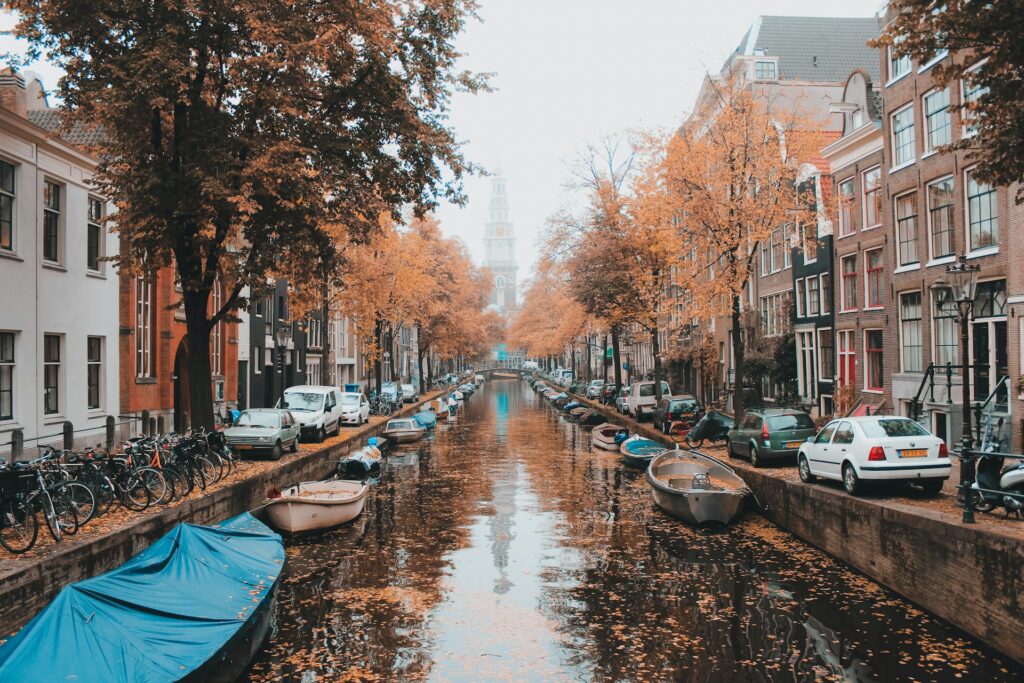
10 Hidden Gems in the Netherlands Worth Discovering The Netherlands is famous for Amsterdam’s canals, colorful tulip fields, historic windmills, and world-class museums. But beyond its best-known attractions lies another side of the country filled with peaceful villages, historic towns, natural landscapes, and local experiences that many visitors never discover. Exploring these lesser-known destinations can add variety to your Netherlands itinerary and give you a closer look at everyday Dutch life. From fortified towns and waterside villages to islands and countryside landscapes, here are ten hidden gems worth considering on your next journey. 1. Giethoorn Giethoorn is one of the Netherlands’ most distinctive villages. Known for its canals, traditional houses, wooden bridges, and peaceful waterways, the village offers a completely different atmosphere from the country’s larger cities. Walking and cycling are enjoyable ways to explore, but taking a small boat through the canals gives visitors an especially memorable perspective. The village can become busy during popular travel periods, so visiting earlier in the day or outside the peak summer season can provide a quieter experience. 2. Naarden Naarden is a historic fortified town known for its remarkable star-shaped defensive layout. Its walls, gates, canals, and preserved historic center make it particularly interesting for travelers who enjoy architecture and Dutch history. From above, the shape of the fortifications is impressive, while at street level the town feels compact and easy to explore on foot. Visitors can combine a walk around the fortifications with time in the town center, where historic buildings and quiet streets create a relaxed atmosphere. 3. De Rijp De Rijp is a small historic village in North Holland that offers a peaceful alternative to the country’s larger tourist destinations. The village has traditional Dutch architecture, narrow streets, waterways, and buildings that reflect its maritime past. A walk through De Rijp provides an opportunity to enjoy a slower pace and observe architectural details that can easily be missed in busier destinations. The surrounding countryside also makes the village a good addition to a wider North Holland itinerary. 4. Bourtange Close to the German border lies Bourtange, a historic fortified village with a distinctive star-shaped design. The settlement has been carefully preserved, allowing visitors to explore defensive walls, small streets, historic buildings, and open spaces within the fortress. Bourtange is particularly appealing to travelers interested in European military history, historic architecture, and unusual landscapes. Its remote location means it usually requires more planning than a typical city excursion, but that is also part of what makes the destination feel different. 5. Amersfoort Amersfoort is sometimes overlooked in favor of Amsterdam, Utrecht, Rotterdam, and The Hague, yet its historic center makes it well worth exploring. Medieval streets, canals, historic gates, attractive squares, and distinctive architecture give the city plenty of character. Because the center is relatively compact, travelers can explore much of it on foot. Cafés, local shops, and quieter streets also make it an appealing destination for visitors who want an urban experience without the scale of the Netherlands’ largest cities. 6. Schiedam Located near Rotterdam, Schiedam has a fascinating connection with Dutch industrial and distilling history. The city is especially known for its tall historic windmills and its role in the production of jenever, a traditional Dutch spirit. Its canals and historic center make Schiedam an interesting addition to a Rotterdam itinerary. Travelers staying in Rotterdam can explore a different side of the region without traveling far. The contrast between modern Rotterdam and historic Schiedam can make visiting both destinations particularly rewarding. 7. Thorn Thorn, located in Limburg, is instantly recognizable for its white-painted buildings and distinctive historic center. Often called the “White Village,” it has narrow streets, historic architecture, and an atmosphere that differs noticeably from many towns elsewhere in the Netherlands. The village can be explored comfortably on foot, making it ideal for a relaxed afternoon visit. Travelers exploring Limburg can combine Thorn with other historic towns, countryside destinations, or local cultural experiences. 8. Texel Texel is the largest of the Dutch Wadden Islands and offers a completely different type of Netherlands experience. Instead of busy city streets, travelers can discover beaches, dunes, cycling routes, small villages, and open natural landscapes. Cycling is one of the best ways to explore the island and experience its changing scenery. Visitors interested in nature can also explore coastal environments and areas known for birdlife. Texel works particularly well for travelers who want to combine sightseeing with outdoor activities and a slower pace. 9. Doesburg Doesburg is a historic Hanseatic town in the eastern Netherlands. Its old streets, monuments, traditional buildings, and riverside location provide a glimpse into the country’s trading history. The historic center is manageable on foot, allowing visitors to explore without a complicated itinerary. Doesburg can also be incorporated into a larger journey through the eastern Netherlands, especially for travelers interested in historic towns and destinations away from major tourist routes. 10. Kinderdijk Beyond the Main Viewpoints Kinderdijk itself is internationally known for its windmills, but many visitors experience only the most photographed viewpoints. Taking more time to explore the surrounding paths and landscape can provide a much richer experience. Walking or cycling farther from the busiest areas allows visitors to appreciate the waterways, open countryside, and remarkable system of water management that shaped the region. Rather than treating Kinderdijk as a quick photo stop, consider spending additional time exploring its wider landscape. Why Explore Beyond Amsterdam? Amsterdam deserves its reputation as one of Europe’s most interesting cities, but the Netherlands offers much more than its capital. Smaller towns and countryside destinations can help travelers understand how Dutch history, water management, architecture, traditions, and everyday life differ from region to region. They can also create a more varied itinerary. A trip might combine museums and canals in Amsterdam with historic towns, coastal landscapes, traditional villages, and quieter countryside experiences. Traveling beyond the most popular destinations does not mean avoiding famous attractions. Instead, it means adding places that provide a broader perspective on the country. Planning Your Hidden-Gem