
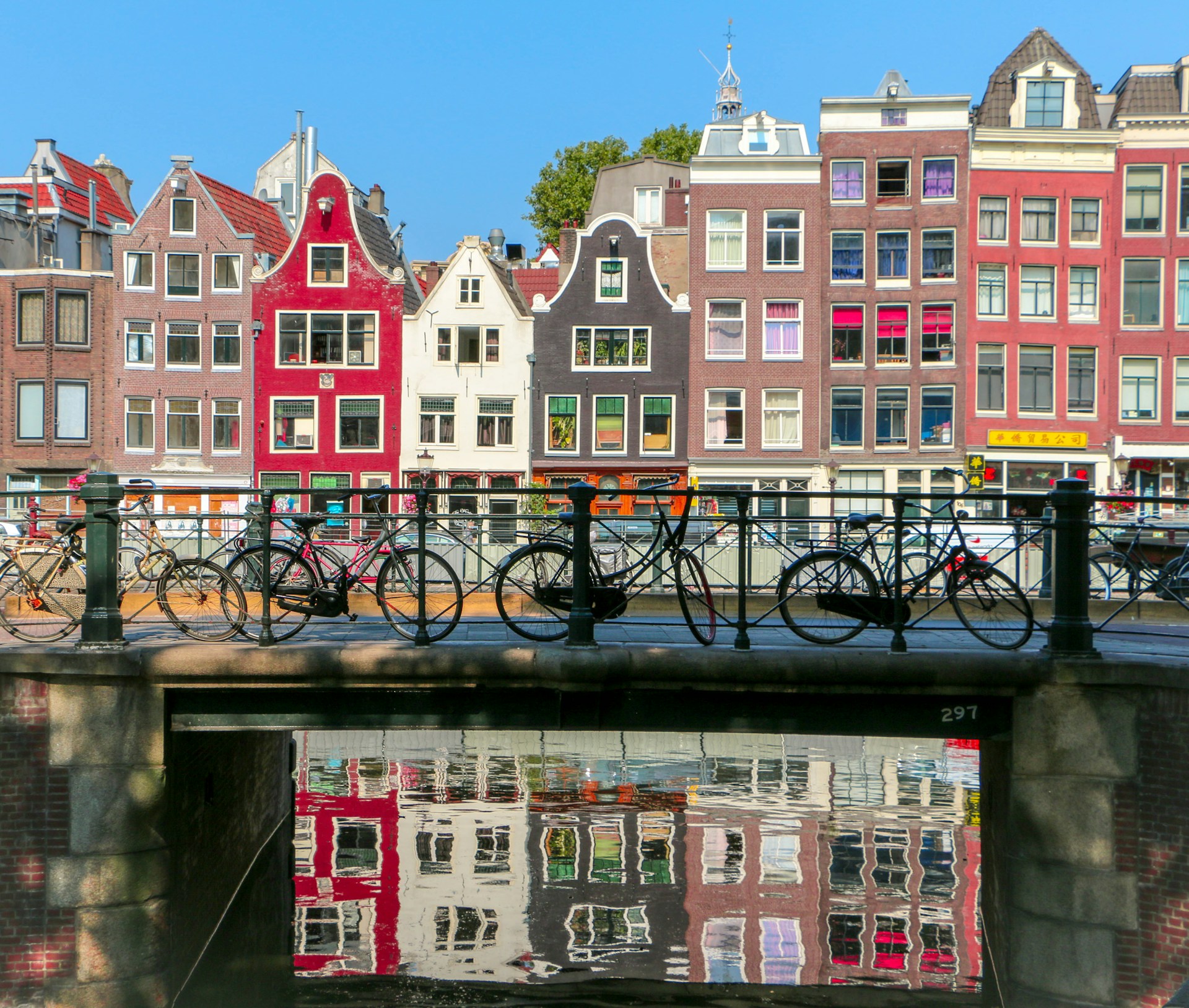
The Netherlands offers a different travel experience in every season. Spring brings flowers and fresh landscapes, summer encourages outdoor exploration, autumn transforms parks and countryside areas, while winter introduces festive traditions and atmospheric city streets.
For travelers planning a Polderpass journey, the best time to visit depends less on finding one “perfect” month and more on deciding what kind of experience you want. Cultural trips, city breaks, countryside adventures, festivals, and local experiences can all feel very different depending on the season.
Here is a season-by-season look at ways to experience the Netherlands throughout the year.
Spring is one of the most recognizable seasons for travel in the Netherlands.
As temperatures begin to rise and the landscape becomes greener, travelers have more opportunities to combine city sightseeing with outdoor activities.
The season is particularly associated with flowers. Tulips have become an international symbol of the Netherlands, and flower-related destinations attract visitors from around the world.
Rather than focusing only on photographs, consider learning more about the horticultural traditions and landscapes connected with Dutch flower culture.
Spring can be an enjoyable time to travel beyond major cities.
Dutch countryside areas begin to feel more colorful and active, while longer daylight hours can make walking and cycling easier to incorporate into an itinerary.
Small towns and villages can also be combined with outdoor experiences.
A spring itinerary might include a historic city one day and a countryside or village excursion the next, creating a useful balance between culture and nature.
King’s Day is one of the best-known annual celebrations in the Netherlands.
The event brings public celebrations, street activities, music, markets, and large numbers of people into towns and cities. Orange becomes particularly visible as people dress in the national color for the occasion.
For visitors, it can provide a memorable opportunity to experience a major Dutch celebration.
However, large events require planning. Transportation may be busier than usual, popular areas can become crowded, and accommodation demand can increase.
Travelers should check current official event and transport information when planning around King’s Day or any major festival.
Summer provides plenty of opportunities for exploring the Netherlands outdoors.
Longer days allow travelers to combine several types of activities without feeling rushed. A morning museum visit might be followed by an afternoon cycling route, canal experience, or waterfront walk.
Café terraces and public spaces also become an important part of city life during pleasant weather.
Instead of scheduling every hour, leave some time to simply enjoy the atmosphere.
The Netherlands has much more than canals and historic city centers.
Its coastline provides opportunities for beach visits, walking, cycling, and relaxed day trips.
Travelers staying in cities can consider adding a coastal destination to create contrast within their itinerary.
A beach or dune landscape can feel remarkably different from Amsterdam, Rotterdam, Utrecht, or another urban base.
Summer can also encourage travelers to explore the Dutch Wadden Islands.
The islands offer beaches, dunes, cycling routes, smaller communities, and open landscapes.
They work particularly well for visitors who want to spend more time outdoors and experience a slower pace of travel.
Because island travel requires additional transportation, plan connections and accommodation carefully.
Summer is also a popular period for cultural events, concerts, festivals, markets, and outdoor activities.
The exact event calendar changes from year to year.
Rather than building a trip around outdated information, check official destination and event websites before traveling.
If a festival interests you, confirm its dates, ticket requirements, location, transportation arrangements, and any visitor restrictions.
Autumn can offer a different atmosphere from the busy summer months.
Parks, forests, canals, and countryside areas begin to change color, creating attractive conditions for walking and photography.
It is also an excellent season for cultural travel.
Museums, historic buildings, cafés, and indoor attractions can be combined with outdoor sightseeing depending on the weather.
Autumn suits destinations where the experience is built around walking, architecture, history, and local culture.
Cities and towns such as Delft, Leiden, Haarlem, Amersfoort, and other historic destinations can be explored without needing an itinerary dominated by outdoor summer activities.
Smaller towns can be especially enjoyable when you allow time for cafés, local shops, museums, and relaxed walks.
Dutch landscapes do not stop being interesting when summer ends.
Autumn can create a quieter atmosphere for countryside exploration.
Cycling or walking routes can provide a way to experience seasonal landscapes, although travelers should always check weather conditions and daylight hours before setting out.
Appropriate clothing becomes increasingly important as conditions become cooler and less predictable.
Winter changes the rhythm of travel in the Netherlands.
Days are shorter and temperatures are lower, but cities can become atmospheric during the festive period.
Historic streets, canals, shops, cafés, seasonal decorations, and cultural attractions make winter particularly suitable for travelers interested in city breaks.
Rather than planning an itinerary heavily dependent on outdoor activities, combine shorter walks with museums, historic attractions, cafés, and other indoor experiences.
The winter period introduces visitors to seasonal customs and celebrations.
Sinterklaas traditions are particularly associated with the weeks leading into December, while Christmas and New Year bring their own events and activities.
Seasonal foods, decorations, markets, and local celebrations can add cultural context to a winter journey.
Traditions and event programs can change, so travelers should check current local information before attending specific activities.
Cities such as Amsterdam, Utrecht, Rotterdam, The Hague, Maastricht, and others can provide plenty to experience during a winter weekend.
Museums and cultural attractions become particularly useful when the weather is less suitable for long outdoor excursions.
A good winter itinerary should remain flexible.
Instead of scheduling several outdoor activities in advance, combine one or two important attractions with options that can be adjusted according to the weather.
There is no universal best season to visit the Netherlands.
The right choice depends on what you want from your journey.
Choose spring if you want: flowers, fresh landscapes, cycling, outdoor exploration, and major spring traditions.
Choose summer if you want: longer days, outdoor dining, coastlines, islands, cycling, and seasonal events.
Choose autumn if you want: historic towns, cultural trips, seasonal landscapes, and a slower travel atmosphere.
Choose winter if you want: museums, festive traditions, atmospheric city breaks, and indoor cultural experiences.
Each season provides a different way to experience the country.
Weather is important, but it should not be the only factor when deciding when to visit.
Think about the experiences that matter most to you.
A traveler interested in Dutch art and history may enjoy the country throughout the year. Someone planning extensive cycling and countryside activities may prefer longer daylight hours.
Visitors interested in a particular festival or seasonal tradition will naturally need to plan around its dates.
Building your itinerary around your interests can make choosing a season much easier.
Festivals and seasonal events can change from year to year.
Dates, venues, ticket requirements, opening hours, and transportation arrangements should always be confirmed through current official sources before your trip.
This is especially important when an event is the main reason for visiting a destination.
Accommodation can also become more limited around popular events, so planning ahead may be useful.
Festivals can provide exciting opportunities to experience Dutch culture, but travelers should remember that the destinations they visit are also home to local communities.
Follow event rules, use designated waste facilities, respect residential areas, and avoid entering private spaces for photographs.
Responsible behavior helps make major events more enjoyable for both visitors and residents.
Seasonal travel is not only about large festivals.
Some of the most memorable experiences can be much simpler.
Visit a local market. Cycle through the countryside. Explore a historic town. Spend an afternoon beside a canal. Try seasonal food. Visit a museum or discover a smaller cultural attraction.
These experiences can help travelers connect with the Netherlands regardless of the month they visit.
The Netherlands changes throughout the year, and each season provides new reasons to explore.
Spring can introduce flowers and outdoor landscapes. Summer opens opportunities for coastal journeys and longer days. Autumn creates an ideal setting for cultural exploration, while winter brings festive traditions and atmospheric city experiences.
Polderpass focuses on helping travelers discover these different sides of the country through guided day trips, weekend getaways, cultural tours, hidden-gem experiences, and private journeys.
Instead of searching for the single perfect time to visit, choose the season that best matches the Netherlands experience you want to have.
Explore curated Dutch experiences, cultural journeys, hidden gems, and memorable getaways with Polderpass.
Discover the Netherlands through carefully curated day trips, cultural tours, hidden gems, weekend getaways, and authentic local experiences.