
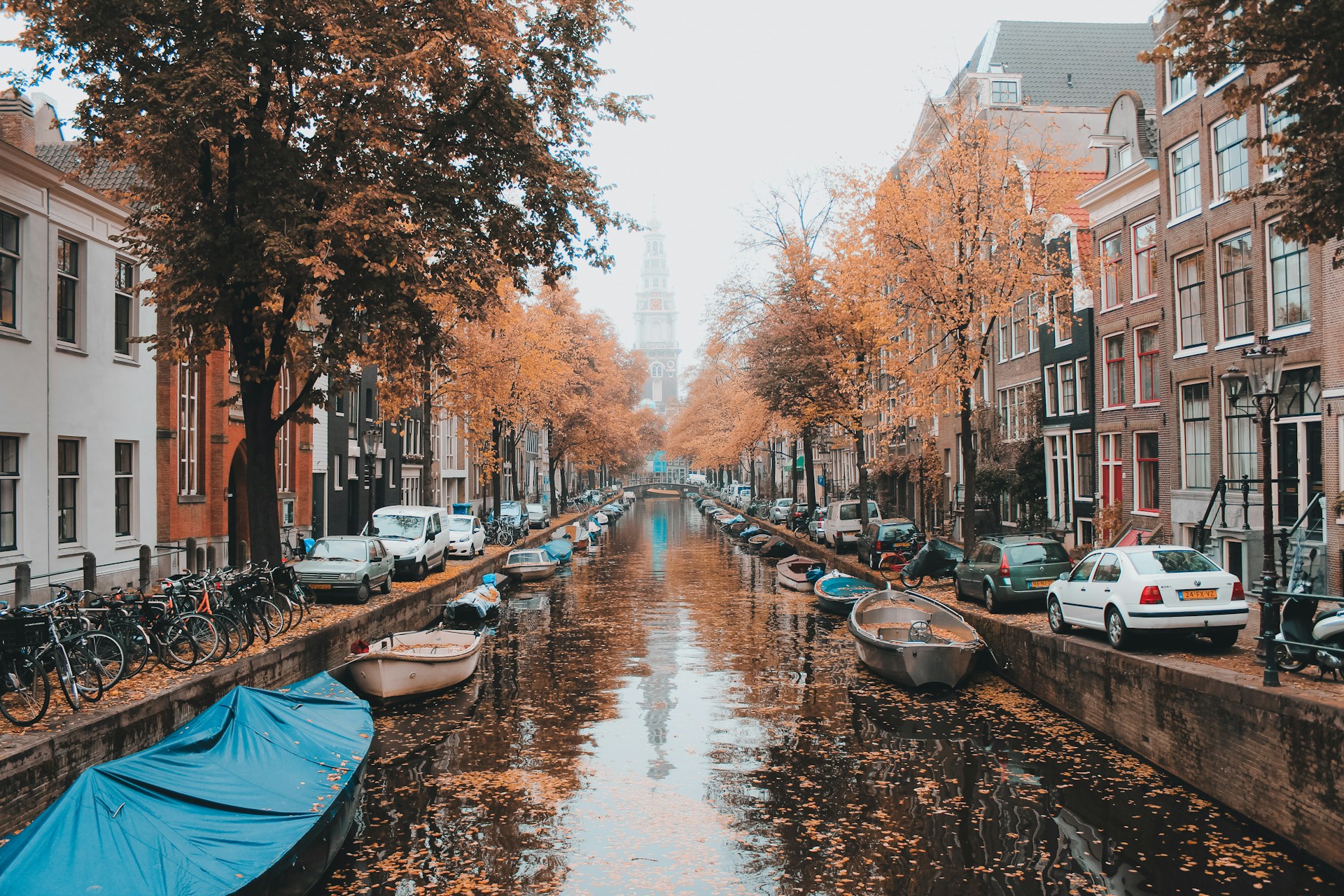
The Netherlands is famous for Amsterdam’s canals, colorful tulip fields, historic windmills, and world-class museums. But beyond its best-known attractions lies another side of the country filled with peaceful villages, historic towns, natural landscapes, and local experiences that many visitors never discover.
Exploring these lesser-known destinations can add variety to your Netherlands itinerary and give you a closer look at everyday Dutch life. From fortified towns and waterside villages to islands and countryside landscapes, here are ten hidden gems worth considering on your next journey.
Giethoorn is one of the Netherlands’ most distinctive villages. Known for its canals, traditional houses, wooden bridges, and peaceful waterways, the village offers a completely different atmosphere from the country’s larger cities.
Walking and cycling are enjoyable ways to explore, but taking a small boat through the canals gives visitors an especially memorable perspective.
The village can become busy during popular travel periods, so visiting earlier in the day or outside the peak summer season can provide a quieter experience.
Naarden is a historic fortified town known for its remarkable star-shaped defensive layout.
Its walls, gates, canals, and preserved historic center make it particularly interesting for travelers who enjoy architecture and Dutch history. From above, the shape of the fortifications is impressive, while at street level the town feels compact and easy to explore on foot.
Visitors can combine a walk around the fortifications with time in the town center, where historic buildings and quiet streets create a relaxed atmosphere.
De Rijp is a small historic village in North Holland that offers a peaceful alternative to the country’s larger tourist destinations.
The village has traditional Dutch architecture, narrow streets, waterways, and buildings that reflect its maritime past.
A walk through De Rijp provides an opportunity to enjoy a slower pace and observe architectural details that can easily be missed in busier destinations.
The surrounding countryside also makes the village a good addition to a wider North Holland itinerary.
Close to the German border lies Bourtange, a historic fortified village with a distinctive star-shaped design.
The settlement has been carefully preserved, allowing visitors to explore defensive walls, small streets, historic buildings, and open spaces within the fortress.
Bourtange is particularly appealing to travelers interested in European military history, historic architecture, and unusual landscapes.
Its remote location means it usually requires more planning than a typical city excursion, but that is also part of what makes the destination feel different.
Amersfoort is sometimes overlooked in favor of Amsterdam, Utrecht, Rotterdam, and The Hague, yet its historic center makes it well worth exploring.
Medieval streets, canals, historic gates, attractive squares, and distinctive architecture give the city plenty of character.
Because the center is relatively compact, travelers can explore much of it on foot. Cafés, local shops, and quieter streets also make it an appealing destination for visitors who want an urban experience without the scale of the Netherlands’ largest cities.
Located near Rotterdam, Schiedam has a fascinating connection with Dutch industrial and distilling history.
The city is especially known for its tall historic windmills and its role in the production of jenever, a traditional Dutch spirit.
Its canals and historic center make Schiedam an interesting addition to a Rotterdam itinerary. Travelers staying in Rotterdam can explore a different side of the region without traveling far.
The contrast between modern Rotterdam and historic Schiedam can make visiting both destinations particularly rewarding.
Thorn, located in Limburg, is instantly recognizable for its white-painted buildings and distinctive historic center.
Often called the “White Village,” it has narrow streets, historic architecture, and an atmosphere that differs noticeably from many towns elsewhere in the Netherlands.
The village can be explored comfortably on foot, making it ideal for a relaxed afternoon visit.
Travelers exploring Limburg can combine Thorn with other historic towns, countryside destinations, or local cultural experiences.
Texel is the largest of the Dutch Wadden Islands and offers a completely different type of Netherlands experience.
Instead of busy city streets, travelers can discover beaches, dunes, cycling routes, small villages, and open natural landscapes.
Cycling is one of the best ways to explore the island and experience its changing scenery. Visitors interested in nature can also explore coastal environments and areas known for birdlife.
Texel works particularly well for travelers who want to combine sightseeing with outdoor activities and a slower pace.
Doesburg is a historic Hanseatic town in the eastern Netherlands.
Its old streets, monuments, traditional buildings, and riverside location provide a glimpse into the country’s trading history.
The historic center is manageable on foot, allowing visitors to explore without a complicated itinerary.
Doesburg can also be incorporated into a larger journey through the eastern Netherlands, especially for travelers interested in historic towns and destinations away from major tourist routes.
Kinderdijk itself is internationally known for its windmills, but many visitors experience only the most photographed viewpoints.
Taking more time to explore the surrounding paths and landscape can provide a much richer experience.
Walking or cycling farther from the busiest areas allows visitors to appreciate the waterways, open countryside, and remarkable system of water management that shaped the region.
Rather than treating Kinderdijk as a quick photo stop, consider spending additional time exploring its wider landscape.
Amsterdam deserves its reputation as one of Europe’s most interesting cities, but the Netherlands offers much more than its capital.
Smaller towns and countryside destinations can help travelers understand how Dutch history, water management, architecture, traditions, and everyday life differ from region to region.
They can also create a more varied itinerary. A trip might combine museums and canals in Amsterdam with historic towns, coastal landscapes, traditional villages, and quieter countryside experiences.
Traveling beyond the most popular destinations does not mean avoiding famous attractions. Instead, it means adding places that provide a broader perspective on the country.
Before visiting lesser-known destinations, check transportation options, seasonal opening hours, and local visitor information.
The Netherlands has an extensive public transportation network, but some villages and countryside destinations may be easier to reach with a combination of train, bus, bicycle, or organized transport.
It is also worth allowing enough time to explore rather than trying to fit too many destinations into one day.
Polderpass focuses on curated journeys and local discoveries designed to help travelers see more of the Netherlands. Whether you prefer historic towns, countryside landscapes, cultural experiences, or peaceful waterside destinations, exploring beyond the familiar tourist routes can make your journey much more varied.
Beyond Amsterdam: Charming Dutch Towns You Should Visit
Secret Places in the Netherlands Most Tourists Miss
10 Best Day Trips from Amsterdam for First-Time Visitors
Explore curated Dutch experiences, cultural journeys, hidden gems, and memorable getaways with Polderpass.
Discover the Netherlands through carefully curated day trips, cultural tours, hidden gems, weekend getaways, and authentic local experiences.